

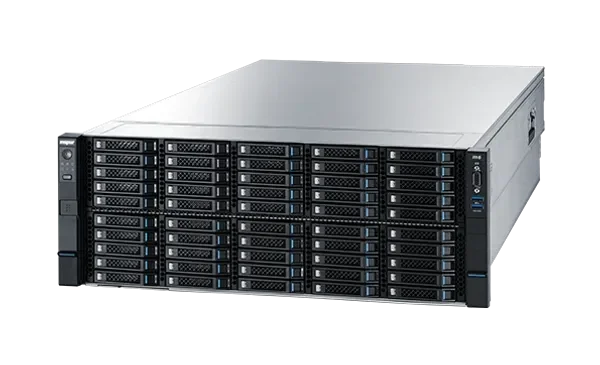
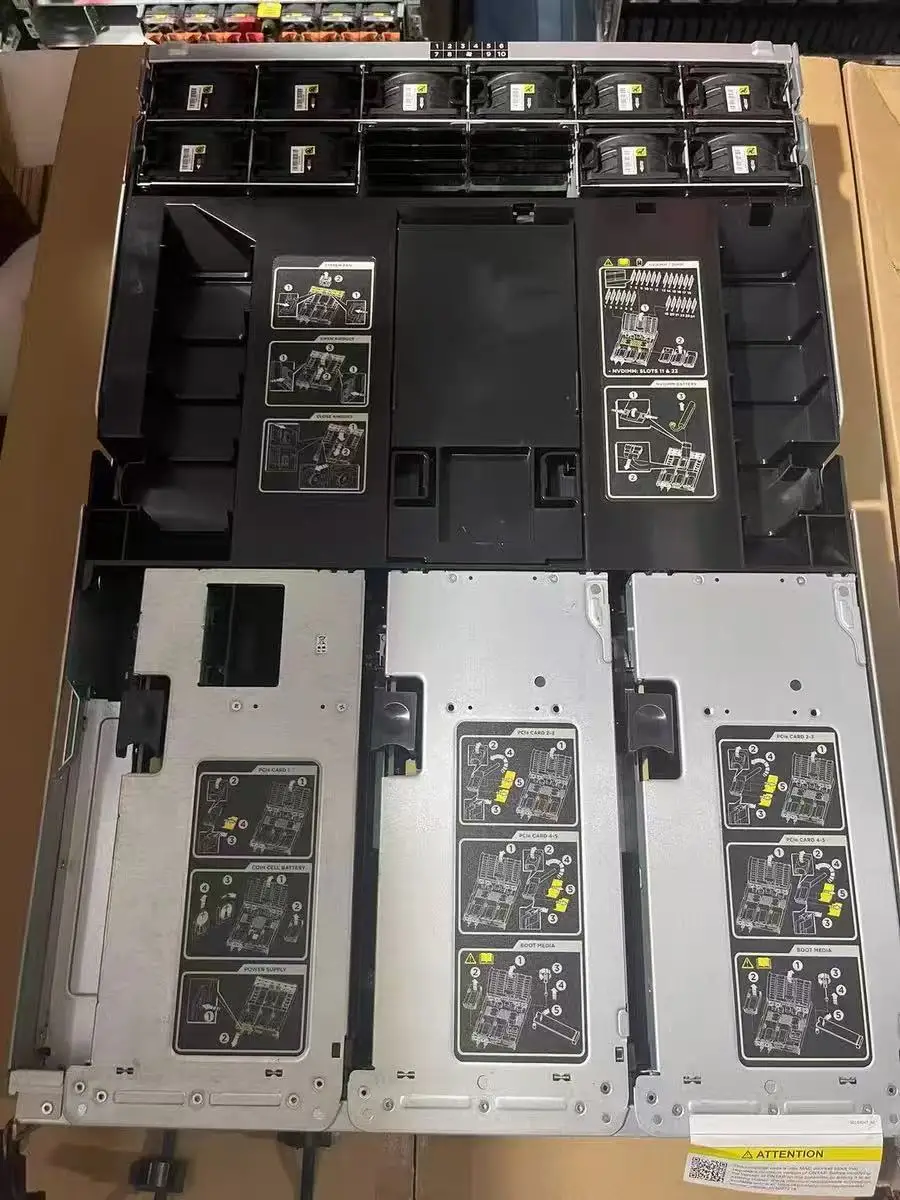
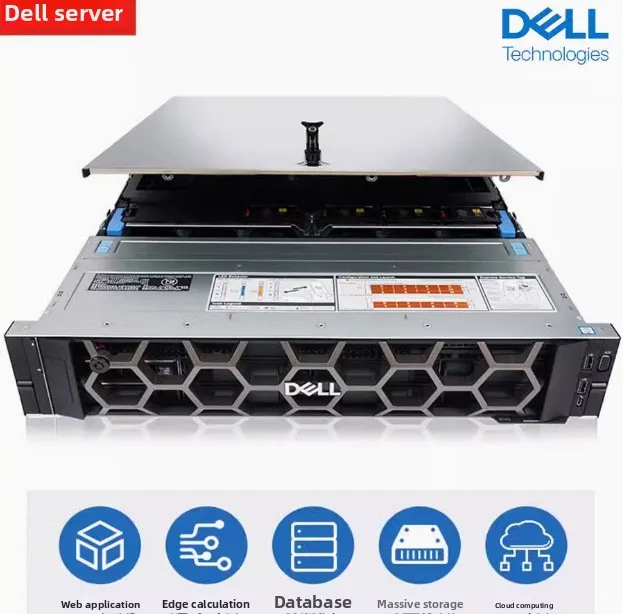
Dell PowerEdge R7515 EPYC 7313P de un solo socket, DDR4 de 16 GB, disco duro de 12 × 3,5 pulgadas, almacenamiento RAID 5
- Categorías de productos:Servidores
- Número de parte:Dell PowerEdge R7515
- Disponibilidad:In Stock
- Condición:Nuevo
- Características del producto:Listo para enviar
- Pedido mínimo:1 unidad
- Precio de lista era:$5,499.00
- Su Precio: $4,643.00 Ahorra $856.00
- Chatear Ahora Enviar Email
Respire tranquilo. Devoluciones aceptadas.
Envío: El envío internacional de artículos puede estar sujeto a procesamiento aduanero y cargos adicionales. Ver detalles
Entrega: Por favor, permita tiempo adicional si la entrega internacional está sujeta a procesamiento aduanero. Ver detalles
Devoluciones: Devoluciones aceptadas durante 14 días. El vendedor paga el envío de devolución. Ver detalles
Envío GRATIS. Aceptamos órdenes de compra NET 30 Días. Obtenga una decisión en segundos, sin afectar su crédito.
Si necesita una gran cantidad del producto Dell PowerEdge R7515, llámenos a nuestro número gratuito Whatsapp: (+86) 151-0113-5020 o solicite un presupuesto en el chat en vivo y nuestro gerente de ventas se comunicará con usted en breve.
Title
Dell PowerEdge R7515 Single-Socket EPYC 7313P, 16 GB DDR4, 12×3.5″ HDD, RAID 5 Storage
Keywords
Dell PowerEdge R7515, AMD EPYC 7313P, 12-bay 3.5″ hot-plug, RAID 5 storage, 600 GB SAS HDD, 16 GB DDR4 memory, 750W redundant PSU, storage server configurationDescription
The Dell PowerEdge R7515 is a 2U, single-socket server built for storage-centric and scale-out workloads. Its architecture supports up to 12 front hot-plug 3.5″ drives, offering flexibility for both high-capacity spinning disks and hybrid configurations. According to Dell’s spec sheet, it supports up to 12×3.5″ hot-plug SAS/SATA drives in the chassis.
This particular build is based on the AMD EPYC 7313P processor (a “P” part for single-socket systems). It delivers a balanced mix of performance and efficiency, suitable for database, file server, or storage node use. The EPYC 7313P is part of AMD’s 7003 (Milan) series. (Dell’s configurator list includes 7313P among options for R7515)
Memory in this build is modest: **16 GB DDR4**. While enough for basic OS and metadata operations, heavier workloads may require expansion. The R7515 supports up to 16 DIMM slots with DDR4 memory on supported EPYC CPUs.
The storage side features 12 hot-plug 3.5" drive bays (your build uses 8 active 600 GB SAS HDDs) all operating under a hardware RAID 5 configuration. This gives you redundancy with parity, allowing one drive failure without data loss. The R7515’s backplane and firmware support SAS/SATA in various RAID setups.
Power is delivered by a pair of **750W redundant hot-plug PSUs**, giving you 1+1 redundancy and stability under peak loads. This configuration is suited for data center racks or storage clusters where reliability is critical.
Key Features
- Single AMD EPYC 7313P processor — efficient and powerful for storage workloads
- 12 × 3.5″ hot-plug drive bay chassis (supports SAS/SATA) for high capacity storage
- RAID 5 hardware configuration provides fault tolerance with parity
- 8 × 600 GB SAS HDDs installed (your build), leaving room for expansion
- DDR4 memory support — currently 16 GB installed, scalable to full capacity
- Dual 750W redundant PSUs for power resilience
- Support for Dell’s management and automation tooling (iDRAC, OpenManage, etc.) via standard R7515 features
Configuration
| Component | Specification / Detail |
|---|---|
| Server Model | Dell PowerEdge R7515 (2U, single-socket chassis) |
| CPU | AMD EPYC 7313P (single-socket) |
| Memory | 16 GB DDR4 (baseline, can be expanded) |
| Drive Bays | 12 × 3.5″ hot-plug SAS/SATA bays |
| Installed Drives | 8 × 600 GB SAS HDDs |
| RAID | RAID 5 (parity) via onboard or optional RAID controller |
| Power Supply | Dual 750W redundant hot-plug PSUs |
Compatibility
The R7515 is certified to support AMD EPYC 7002 and 7003 series processors in a single-socket configuration.
The 7313P is included in vendor lists for R7515 builds.
The chassis supports up to 12 × 3.5″ SAS/SATA drives in front, and also supports 24 × 2.5″ options or mixed NVMe via universal slots according to backplane configuration. Your build (12 × 3.5″) is within supported limits.
Memory expansion is possible using additional DDR4 RDIMMs per platform limits. When scaling heavy workloads, consider balancing memory across channels. The RAID controller (either integrated or optional) must support RAID 5 across SAS drives.
The dual redundant 750W power supplies are standard options in many R7515 builds; ensure rack PDU, cooling, and airflow are adequate for full drive population.
Usage Scenarios
1) Storage Appliance / File Server: Use this server as a robust file server or NAS head, with RAID 5 to protect against single disk failures and large drive capacity supporting many terabytes of data.
2) Virtualization Node (light weight): With EPYC 7313P and expandable memory, it can host VMs, though for heavy compute loads more memory/CPU would be prudent.
3) Backup / Cold Storage Node: Use the drives for backup, archiving, or cold data store with protection. RAID 5 gives good balance of capacity and resiliency for less-critical workloads.
4) Data Ingest / Logging Server: High capacity drives allow ingesting large logs, metrics, or archival data. RAID 5 ensures continuity even if a drive fails.
5) Edge / Remote Deployment: For remote offices needing storage with some resilience, this mid-density build is viable; dual PSUs help with reliability in less controlled environments.
Frequently Asked Questions
-
Q: Why is a single-socket server (R7515) used instead of dual socket?
A: The R7515 platform is inherently single-socket. You gain cost, power, and thermal efficiency, and the AMD EPYC 7003 “P” parts like 7313P are optimized for such use. -
Q: Is RAID 5 sufficient protection for 8 drives?
A: RAID 5 protects against one disk failure with parity across all drives. With 8 drives, you lose one drive’s capacity but maintain data. For stronger protection (e.g. dual failure), RAID 6 might be considered. -
Q: Will 16 GB memory be a bottleneck?
A: Yes, for many modern workloads. It’s likely just for OS/metadata. For database, virtualization, or caching workloads, upgrading memory is highly recommended. -
Q: What about performance when all 12 bays are populated?
A: The backplane, controller, and chassis are designed to handle up to 12 drives. Performance will depend on SAS controller bandwidth, drive speed, and how well your RAID and caching is tuned. Be careful about power, cooling, and I/O limits.
PRODUCTOS RELACIONADOS CON ESTE ÍTEM
 Recommend
-
H3C UniServer R4900 G5 Servidor en rack 2U Xeon Si... - Número de parte: H3C UniServer R4900 ...
- Disponibilidad:In Stock
- Condición:Nuevo
- Precio de lista era:$2,099.00
- Su Precio: $1,999.00
- Ahorra $100.00
- Chatear Ahora Enviar Email
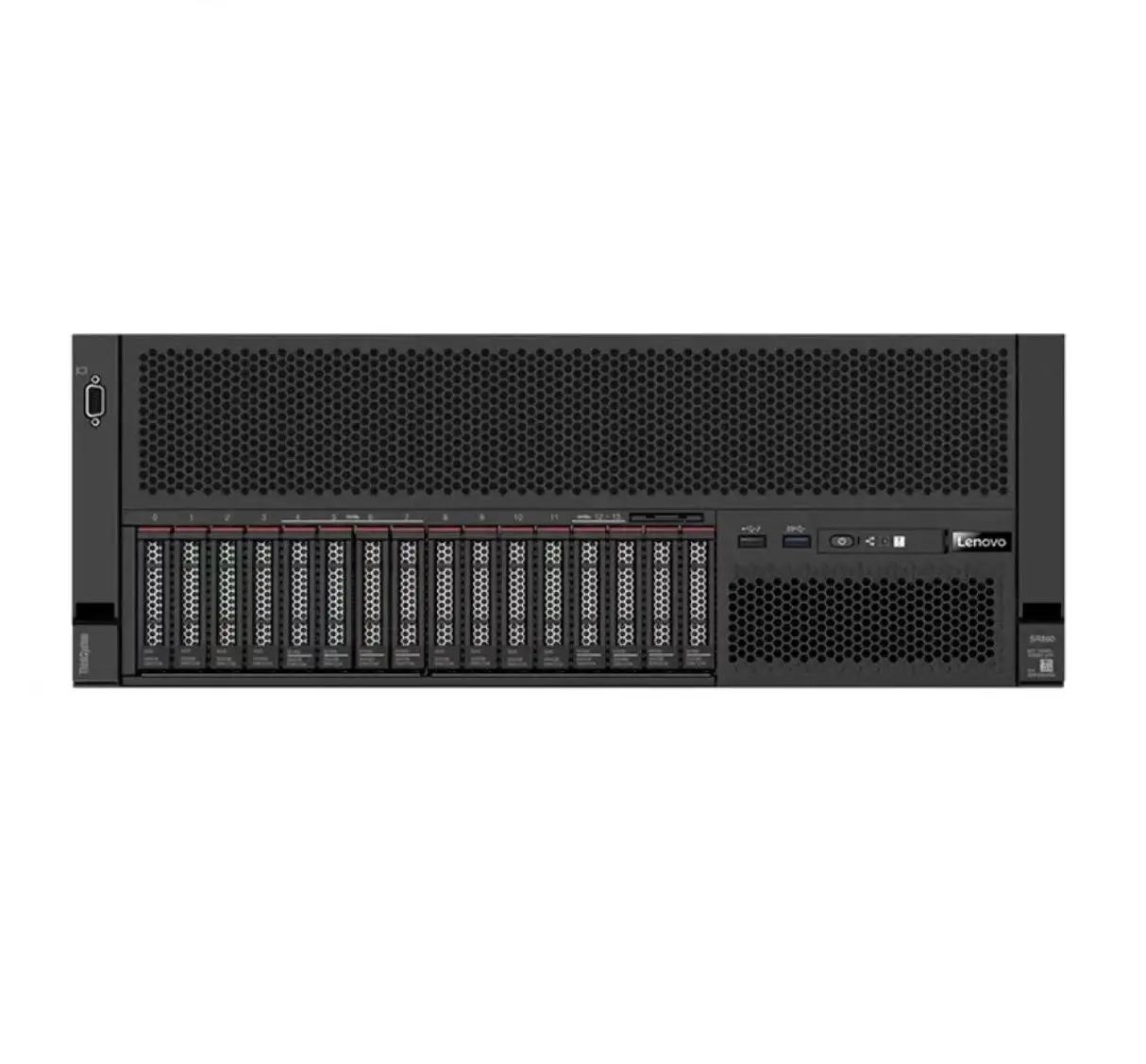 Recommend
-
Lenovo WA5480G3/ 2*Ventiladores de refrigeración/ ... - Número de parte: WR5480G3...
- Disponibilidad:In Stock
- Condición:Nuevo
- Precio de lista era:$48,666.00
- Su Precio: $45,999.00
- Ahorra $2,667.00
- Chatear Ahora Enviar Email
 Recommend
-
Servidor de almacenamiento de alta densidad Dell P... - Número de parte: Dell PowerEdge R740X...
- Disponibilidad:In Stock
- Condición:Nuevo
- Precio de lista era:$28,999.00
- Su Precio: $27,999.00
- Ahorra $1,000.00
- Chatear Ahora Enviar Email
 Recommend
-
Lenovo WR5480G3/ 2*Ventiladores de refrigeración/M... - Número de parte: WR5480G3...
- Disponibilidad:In Stock
- Condición:Nuevo
- Precio de lista era:$45,888.00
- Su Precio: $44,999.00
- Ahorra $889.00
- Chatear Ahora Enviar Email
 Recommend
-
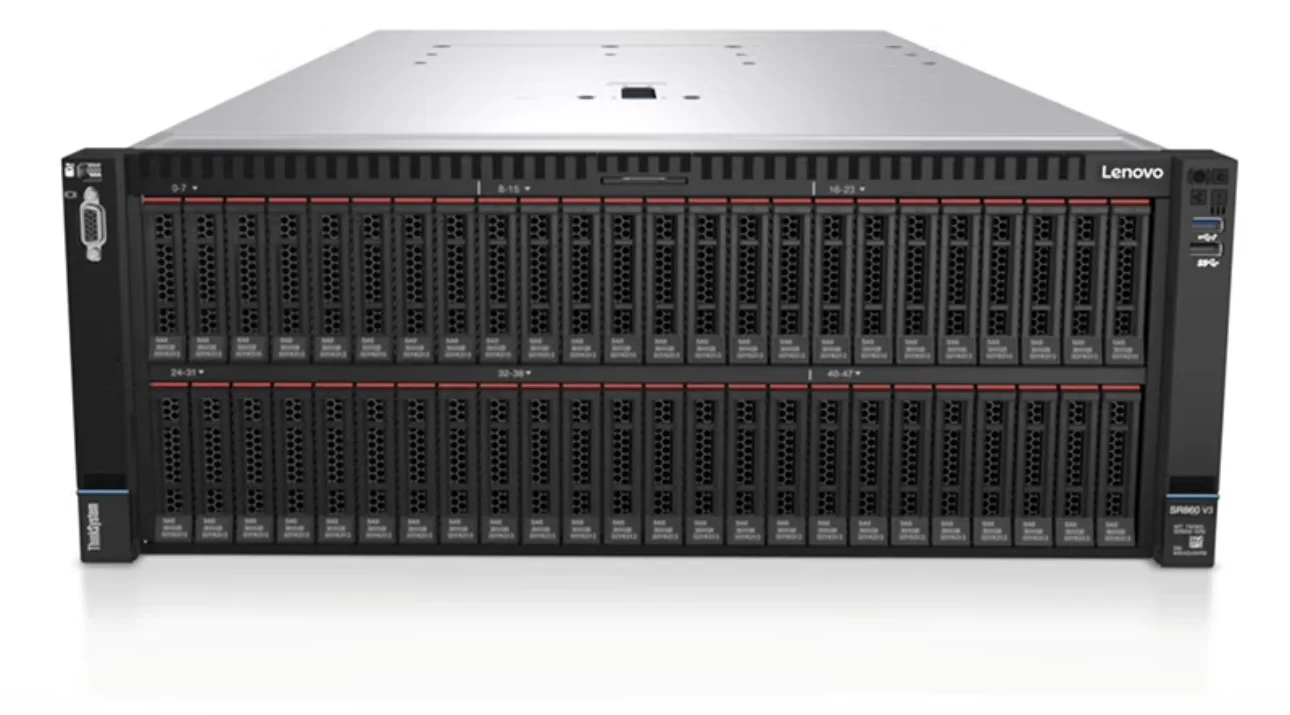
Servidor Lenovo ThinkSystem HR650X 2x Xeon Silver ... - Número de parte: ThinkSystem HR650X...
- Disponibilidad:In Stock
- Condición:Nuevo
- Precio de lista era:$4,999.00
- Su Precio: $4,599.00
- Ahorra $400.00
- Chatear Ahora Enviar Email
 Recommend
-
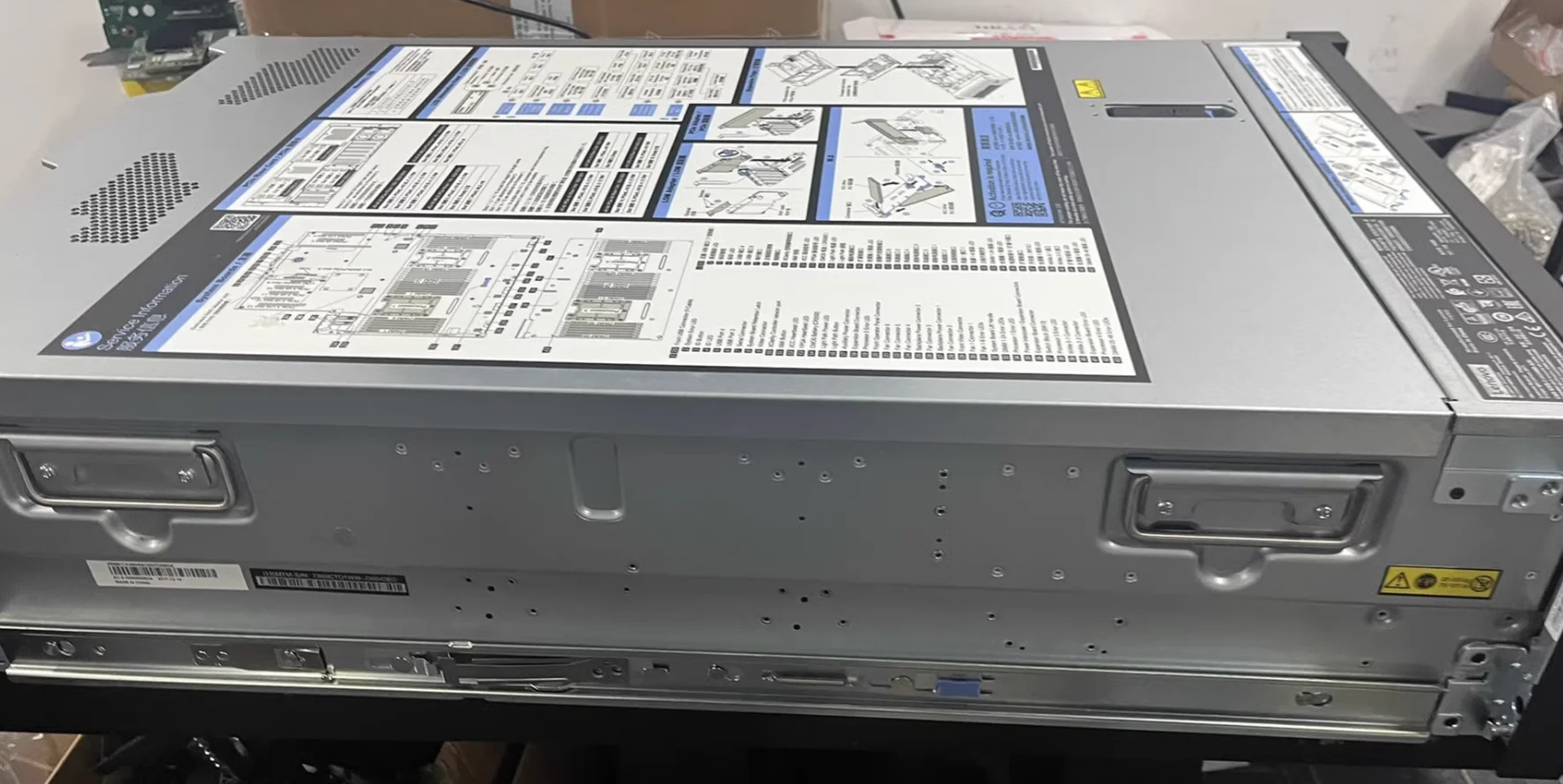
Lenovo ThinkSystem SR680a V3 AI Server 8U Rack con... - Número de parte: SR680AV3...
- Disponibilidad:In Stock
- Condición:Nuevo
- Precio de lista era:$329,999.00
- Su Precio: $328,999.00
- Ahorra $1,000.00
- Chatear Ahora Enviar Email
 Recommend
-
Servidor en rack ThinkSystem SR665V3 2U, 24 bahías... - Número de parte: SR665V3...
- Disponibilidad:In Stock
- Condición:Nuevo
- Precio de lista era:$5,999.00
- Su Precio: $5,599.00
- Ahorra $400.00
- Chatear Ahora Enviar Email
Recommend
-
Servidor en rack Lenovo ThinkSystem SR650 V3 2U: D... - Número de parte: Lenovo ThinkSystem S...
- Disponibilidad:In Stock
- Condición:Nuevo
- Precio de lista era:$13,199.00
- Su Precio: $12,999.00
- Ahorra $200.00
- Chatear Ahora Enviar Email
-
$1,999.00
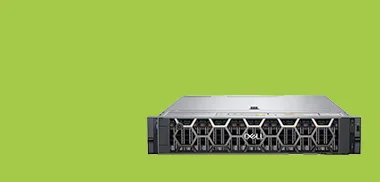
H3C UniServer R4900 G5
- Calificación: 4
-
$27,999.00
Dell PowerEdge R740XD2
- Calificación: 4
-
$2,399.00
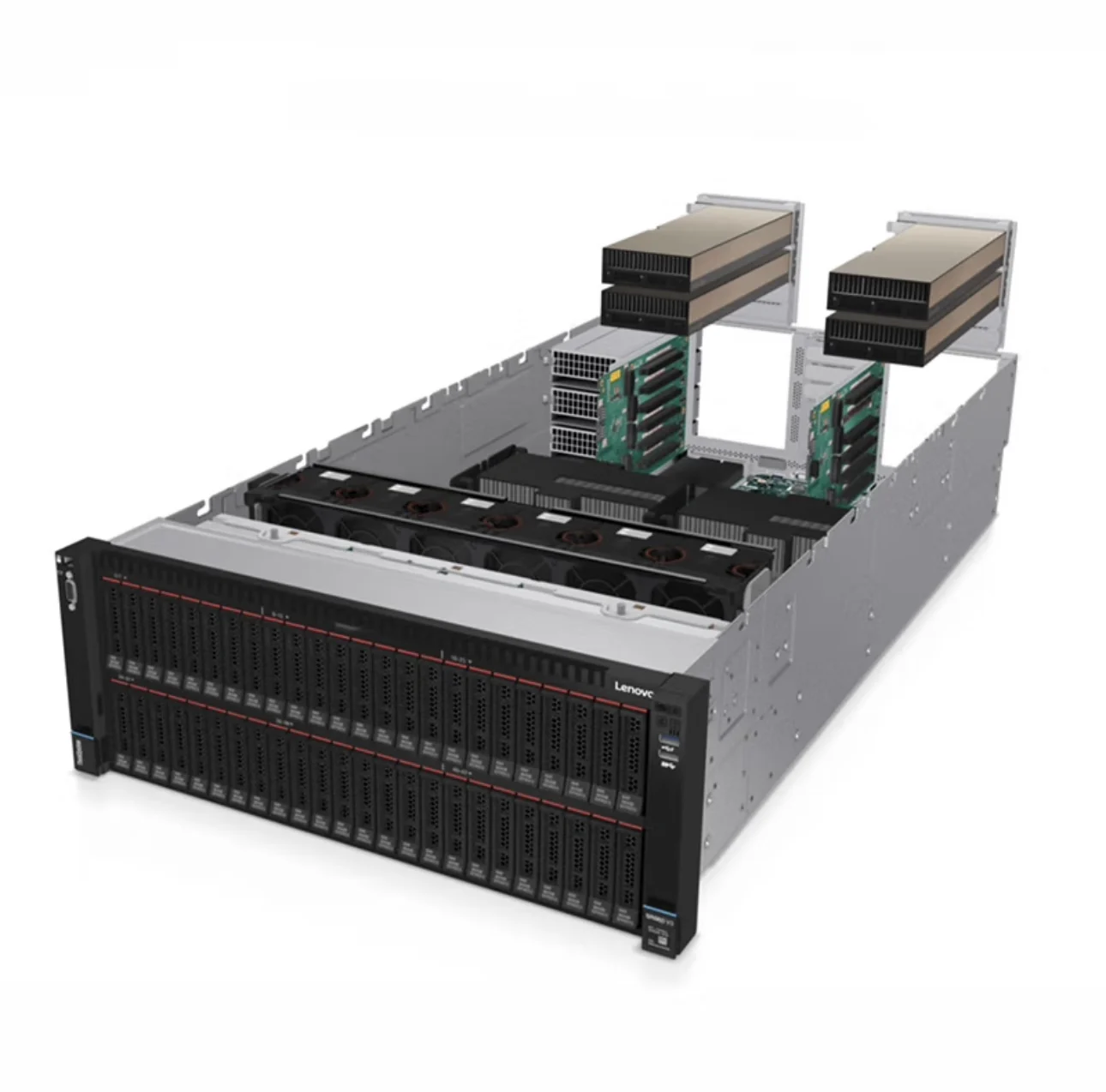
Lenovo ThinkSystem SR630
- Calificación: 3
-
$4,599.00
ThinkSystem HR650X
- Calificación: 3
-
$328,999.00
SR680AV3
- Calificación: 4
-
$13,999.00
R760xs
- Calificación: 3
-
$18,699.00
Lenovo SR650
- Calificación: 4
-
$9,199.00
Dell PowerEdge R750XS 2U Rack Server
- Calificación: 3
-
$7,699.00
Dell PowerEdge R7525 AMD EPYC 2U Rack Se
- Calificación: 5
-
$16,399.00
Dell PowerEdge R7525 2U rack server
- Calificación: 3